

Retro Gaming: Why Old-School Games Are Making a Comeback

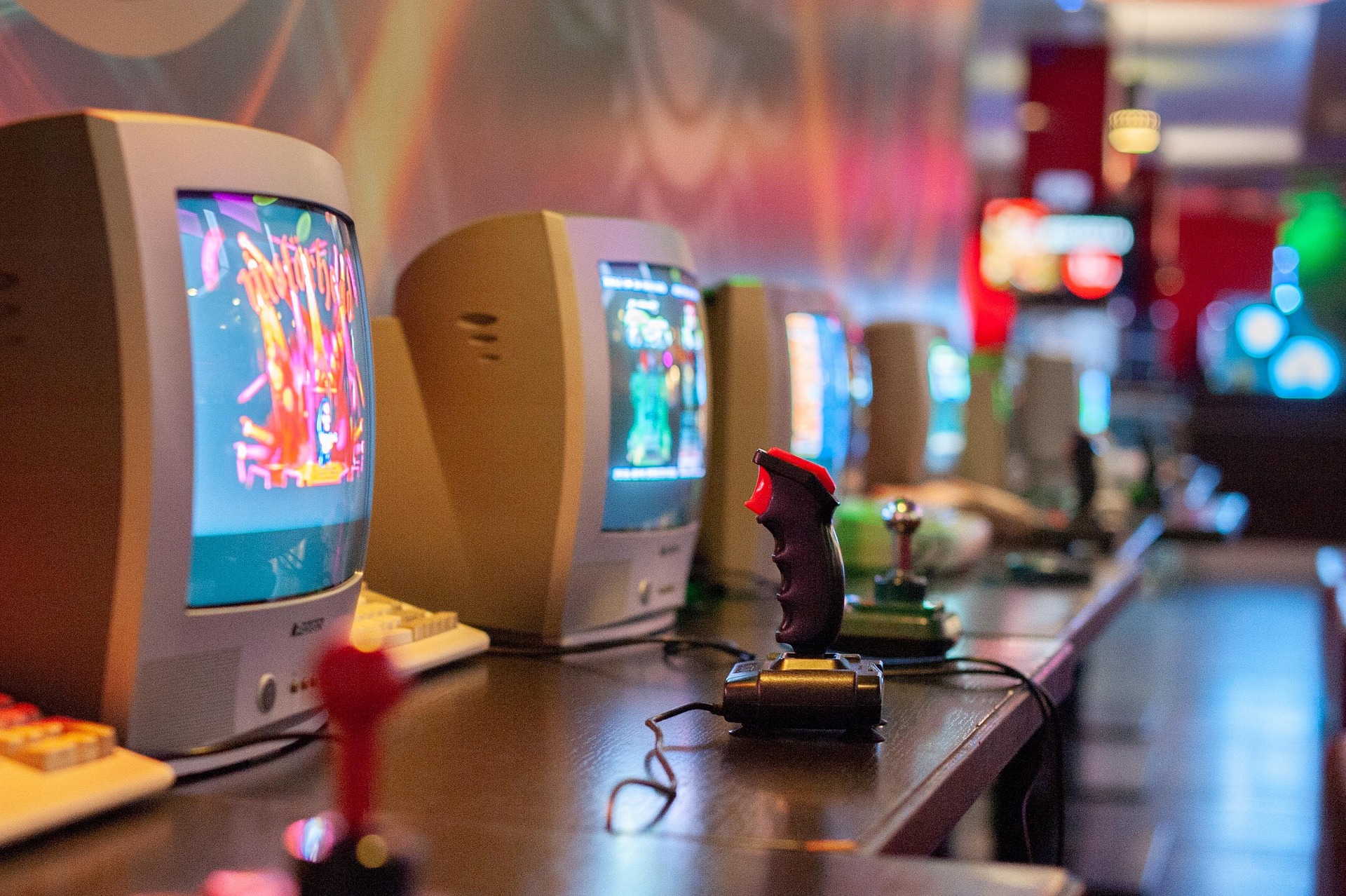
Retro gaming is no longer just a hobby for die-hard enthusiasts — it has evolved into a full-scale cultural movement reshaping the entertainment landscape in 2025. From Nintendo 64 cartridges selling for record prices to pixelated indie titles dominating Steam charts, old-school games are making a comeback in ways few predicted. According to Statista’s gaming market research, nostalgia-driven purchases and retro-inspired titles now represent a significant share of the global gaming economy. This resurgence is driven by a powerful combination of emotional nostalgia, unprecedented modern accessibility, and thriving online communities that refuse to let these classics fade.
The Power of Nostalgia: Emotional Roots of the Retro Revival
Nostalgia is one of the most potent forces in consumer behavior, and nowhere is this more evident than in gaming. Players who grew up with an Atari 2600, Super Nintendo, or original Game Boy carry deeply emotional attachments to those experiences. These feelings don’t simply fade — they intensify with time, fueling a growing desire to reconnect with simpler, more formative moments.
Nostalgia as Emotional Reconnection
Classic franchises like The Legend of Zelda, Mega Man, and Sonic the Hedgehog aren’t just games — they are emotional time capsules. Revisiting them triggers a psychological phenomenon known as nostalgic recall, where players re-experience feelings of safety, wonder, and accomplishment tied to childhood. This emotional resonance is something modern, hyper-realistic titles often struggle to replicate, making retro gaming feel uniquely personal.
- Retro games: Simple joy, sense of achievement, childhood memory triggers, low barrier to mastery
- Modern games: Complex narratives, visual spectacle, multiplayer competition, ongoing content cycles
- Retro games: Finite, self-contained experiences with clear endings
- Modern games: Live-service models requiring continuous time investment
Intergenerational Play and Shared Experiences
Retro gaming has become a surprising bridge between generations. Parents who once played Donkey Kong Country or Street Fighter II now sit alongside their children to replay those classics — creating shared cultural memories in real time. This intergenerational dynamic is a key engine powering the retro comeback, as older players introduce younger ones to foundational gaming history.
Accessibility and Technology: How the Classics Are Easier to Play Than Ever
One of the greatest historical barriers to retro gaming was physical access — finding working hardware and cartridges decades after their release. Modern technology has dismantled those barriers almost entirely. Today, players can access hundreds of classic titles through multiple convenient platforms without hunting through garage sales or auction sites.
Digital Re-Releases and Mini Consoles
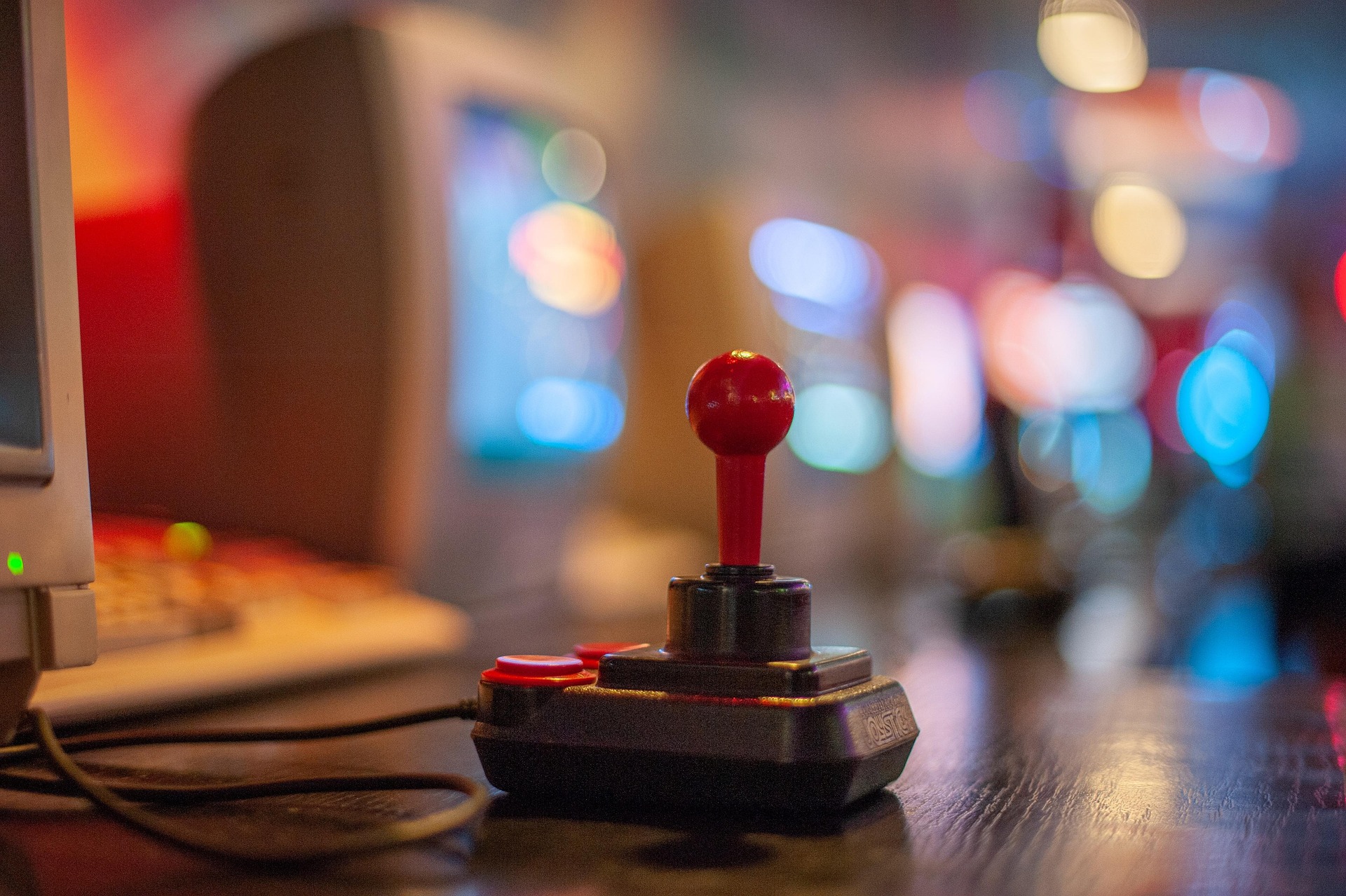
Services like Nintendo Switch Online, PlayStation Plus Premium, and Xbox Game Pass offer curated retro libraries as part of subscription tiers. Plug-and-play devices like the SNES Classic Mini and Sega Genesis Mini brought beloved titles to living rooms in compact, accessible packages.
| Access Type | Examples | Cost Range | Library Size |
|---|---|---|---|
| Digital Subscription | Nintendo Switch Online, PS Plus Premium | $10–$20/month | 100–400+ titles |
| Mini Consoles | SNES Classic, Genesis Mini | $40–$80 one-time | 20–50 titles |
| Emulation Software | RetroArch, MAME, OpenEmu | Free (open-source) | Thousands of titles |
| Handheld Devices | Anbernic RG35XX, Steam Deck | $50–$400 | Varies by setup |
Emulators and Modern Hardware
Emulation has transformed how entire generations access gaming history. Software like RetroArch enables players to run titles from dozens of classic systems on a single modern device. Handheld emulation consoles from brands like Anbernic and the widely celebrated Steam Deck have made portable retro gaming mainstream, exposing vast new audiences — including those born long after the original hardware was discontinued.
Timeless Gameplay: Why Simple Mechanics Still Win Hearts
Amid an era of open-world complexity and live-service ecosystems, many players are seeking something refreshingly direct. Retro games deliver tightly focused experiences built around mastery, repetition, and reward — a design philosophy that remains extraordinarily effective. The appeal is not merely nostalgic; it is fundamentally about what makes games satisfying.
Core Game Design Lessons from Retro Titles
Classic titles pioneered principles that modern developers still study. Tight controls, escalating difficulty curves, and immediate feedback loops — hallmarks of games like Super Mario Bros. and Tetris — are now recognized as pillars of effective game design. Many modern studios explicitly reference these titles when articulating their own design philosophies.
Indie Developers Riding the Retro Wave
The indie scene has enthusiastically embraced retro aesthetics and mechanics. Titles like Shovel Knight, Celeste, and Undertale combine pixel art visuals and chiptune soundtracks with modern sensibilities, proving that old-school style is far from obsolete. These games regularly outperform expectations commercially, demonstrating sustained market demand for retro-inspired experiences.
Community and Culture: Fans Fueling the Comeback
Retro gaming’s comeback is not happening in isolation — it is being actively driven by passionate, organized communities across digital and physical spaces. Social media platforms, dedicated forums, and live events have collectively created a thriving ecosystem where enthusiasm for classic games is constantly renewed and amplified.
Key community activities keeping retro gaming culture alive include:
- Speedrunning competitions on platforms like Speedrun.com, where players optimize classic game completion times
- Charity streaming marathons such as Games Done Quick, raising millions annually
- Retro gaming conventions and expos featuring vintage hardware and tournaments
- Local arcade bars offering curated classic cabinet experiences
- YouTube and Twitch content dedicated to retro reviews, playthroughs, and hardware restoration
- Online collecting communities on Reddit and Discord sharing finds, pricing, and preservation tips
Streaming and Content Creation
Streamers and YouTubers have emerged as powerful ambassadors for retro gaming. Channels dedicated to classic game reviews, console restoration, and longplay content regularly attract millions of views, introducing titles from the 1980s and 1990s to audiences who have never touched original hardware.
Events, Speedruns, and Social Scenes
Events like Games Done Quick have transformed speedrunning from a niche pursuit into a globally watched phenomenon. Meanwhile, arcade bars in cities across North America and Europe are thriving businesses, proving that the social dimension of classic gaming translates powerfully into the present day.
Collector Culture and Economic Dynamics
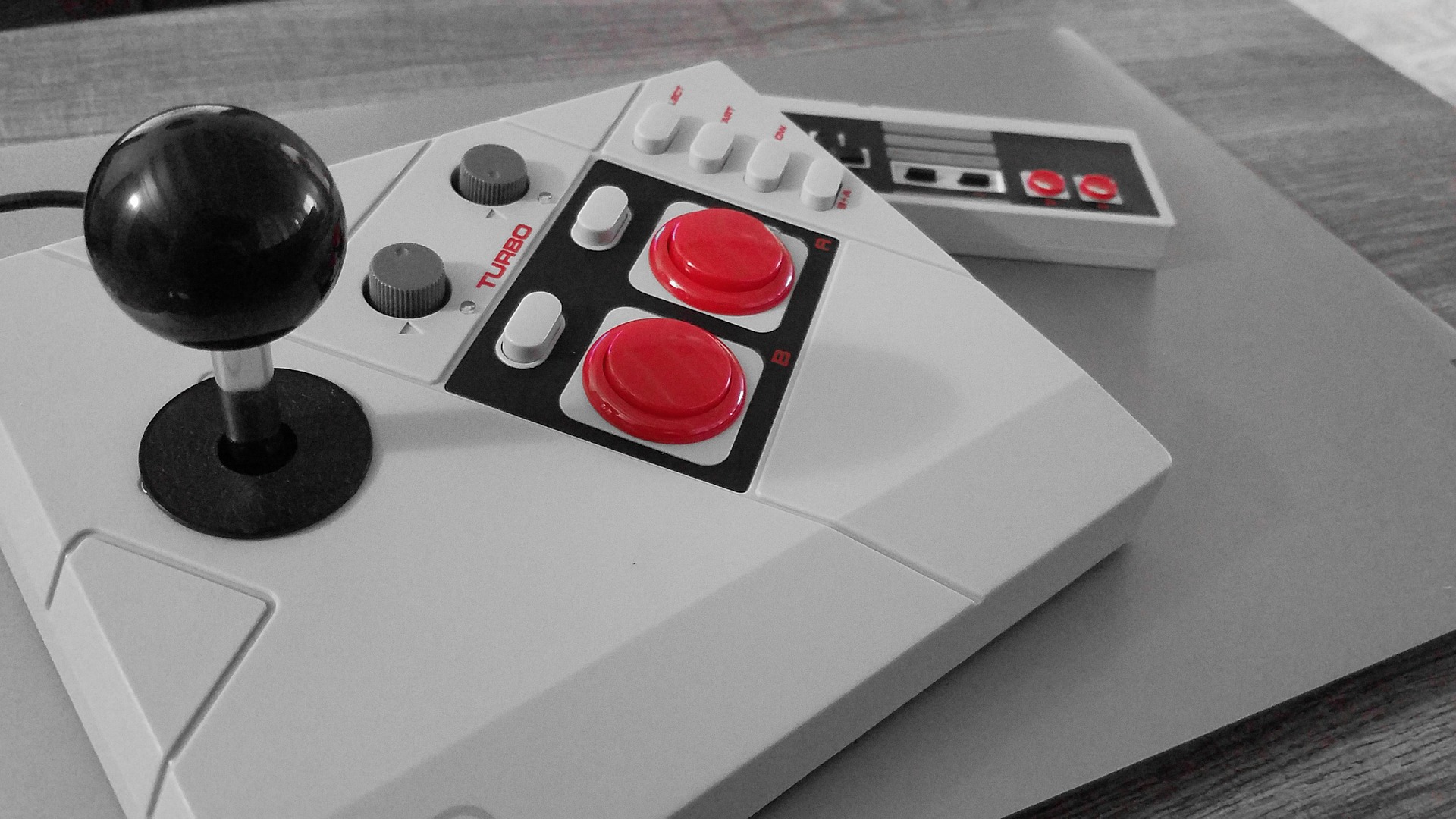
What began as personal nostalgia has evolved into a serious collector economy. Retro game collecting now intersects with investment culture, with rare titles and hardware regularly fetching prices that rival fine art.
| Item | Estimated Value Range | Key Driver |
|---|---|---|
| Sealed Super Mario Bros. (NES) | $50,000–$660,000+ | Grade, seal authenticity |
| Nintendo World Championships Cartridge | $15,000–$100,000+ | Extreme scarcity |
| Original Game Boy (Boxed, Mint) | $500–$2,000 | Condition, completeness |
| Earthbound (SNES, CIB) | $500–$3,500 | Cult status, limited print |
Rare Games, Hardware, and Memorabilia
Scarcity is the core engine of retro collector value. Games with limited original print runs, regional exclusives, or culturally significant histories command extraordinary premiums. Hardware like the Virtual Boy or Neo Geo AES attracts dedicated enthusiasts willing to pay handsomely for complete, working specimens.
Authenticity, Preservation, and Grading
Grading services like Wata Games and CGC have professionalized the collector market by providing standardized condition assessments for sealed and complete games. Preservation organizations simultaneously work to archive ROMs and documentation before hardware failures erase gaming history permanently — a tension between commercial collecting and cultural stewardship that defines the modern retro scene.
Influence on Modern Gaming: How Retro Shapes the Present
Retro gaming’s influence extends well beyond nostalgia purchases — it actively shapes contemporary game development, visual culture, and player expectations. Modern studios, both large and independent, openly draw inspiration from classic design philosophies and aesthetics to craft experiences that resonate across demographics.
- Remakes and remasters: Resident Evil 4 Remake, Final Fantasy VII Rebirth honoring original structure with modern production
- Pixel art revival: Used in AAA marketing, indie titles, and mainstream media as a visual shorthand for authenticity
- Chiptune influence: Retro sound design appearing in modern film scores, advertisements, and game soundtracks
- Mechanical callbacks: Roguelikes, precision platformers, and arcade-style score-chasers dominating indie sales charts
Retro in AAA and Indie Titles
Major studios have capitalized on retro affinity through high-profile remakes and spiritual successors. Meanwhile, indie hits like Hades, Dead Cells, and Pizza Tower blend retro sensibilities with modern polish — consistently receiving critical acclaim and commercial success that validates the enduring appeal of classic design principles.
Visual and Audio Nostalgia Trends
Pixel art has transcended gaming entirely, appearing in fashion, graphic design, and advertising campaigns targeting millennial and Gen Z audiences. Chiptune artists perform at mainstream music festivals, and retro game soundtracks are streamed millions of times monthly — evidence that retro gaming’s cultural footprint extends well beyond the screen.
The Future of Retro Gaming: Trends to Watch
The retro gaming movement shows no signs of slowing — if anything, emerging technologies and generational shifts promise to accelerate it further. As augmented reality, advanced preservation tools, and new hardware form factors mature, the relationship between old-school games and modern players will continue to evolve in compelling directions.
- AR/VR retro experiences: Reimagining classic environments in spatial computing formats
- AI-enhanced upscaling: Machine learning tools improving classic game visuals without altering gameplay
- Official preservation initiatives: Publishers investing in curated digital archives of back catalogs
- Retro gaming in education: Classic titles being used in game design curricula worldwide
- Social discovery algorithms: TikTok and YouTube driving Gen Z engagement with classic titles organically
Innovation Meets Nostalgia
Technologies like augmented reality hold genuine potential for recontextualizing retro games — imagine walking through a life-size Pac-Man maze or experiencing Donkey Kong stages in three-dimensional space. The challenge will be preserving the essential simplicity and charm that makes these games timeless while layering new experiential dimensions on top.
New Audiences and Cultural Integration
Younger generations are discovering retro gaming through TikTok videos, meme culture, and pop culture references in shows like Stranger Things — often without any direct childhood connection to the material. This organic discovery process ensures retro gaming continues recruiting new enthusiasts, making its cultural presence self-sustaining rather than dependent on the aging memories of original players.
Conclusion
The resurgence of retro gaming in 2025 is not a fleeting trend — it is a durable cultural phenomenon grounded in emotional power, technological accessibility, vibrant community, and genuine design excellence. Old-school games are making a comeback because they offer something increasingly rare: focused, rewarding experiences built on timeless principles. Whether accessed through a subscription service, a beloved cartridge, or an indie title channeling 16-bit glory, the classics endure — and by every available measure, they are only growing stronger.