

Psychology of Gambling: The Triggers That Keep Players Hooked

A man sits at his computer at 11 PM. He’ll play just five more minutes, he tells himself. An hour passes. He’s still there, clicking through another round, chasing the feeling he got twenty minutes earlier when three matching symbols almost lined up. This isn’t unusual. Millions of people find themselves locked into gambling patterns they never planned on, wondering afterward how the time disappeared so fast. What keeps them there isn’t weakness. It’s a set of psychological triggers that exploit how human brains handle reward, loss, and hope.
These triggers matter because gambling—particularly digital formats like pokies114—has become more accessible than it’s ever been. What once required a casino trip now happens on phones during lunch, on laptops after work, on tablets while the TV plays in the background. The friction has vanished. The psychological mechanisms have only sharpened. This article examines the mental and emotional hooks that turn casual play into compulsive patterns, and what can be done if you recognize yourself in these descriptions.
You’ll learn how your brain responds to unpredictable wins, why near-misses feel like progress, which cognitive distortions push you forward, and how emotional states create vulnerability. You’ll also find practical strategies for breaking these loops before they tighten.
The “Hook” Isn’t One Thing — It’s a Stack of Triggers
Gambling addiction rarely begins with a single moment. It builds through layers: a stressful day creates vulnerability, an early win validates the choice to play, a near-miss generates urgency, and easy access makes returning effortless. Each element amplifies the others. A feedback loop forms that feels increasingly hard to exit.
Take a typical escalation. Sarah plays online slots to unwind after difficult workdays. The first week, she wins £40 on a £10 stake. It feels validating, exciting. The following week, losses pile up but she hits several near-misses—two matching symbols with the third one position away. These don’t feel like losses. They feel like she’s getting closer. She increases her bets slightly, tells herself her “system” is working. A month later, she’s playing not to win but to recover losses, staying online until 2 AM despite early meetings. At each stage, a different trigger activated: emotional escape, variable reward excitement, near-miss hope, and eventually loss-chasing urgency.
Variable Rewards — Why Unpredictable Wins Feel So Powerful
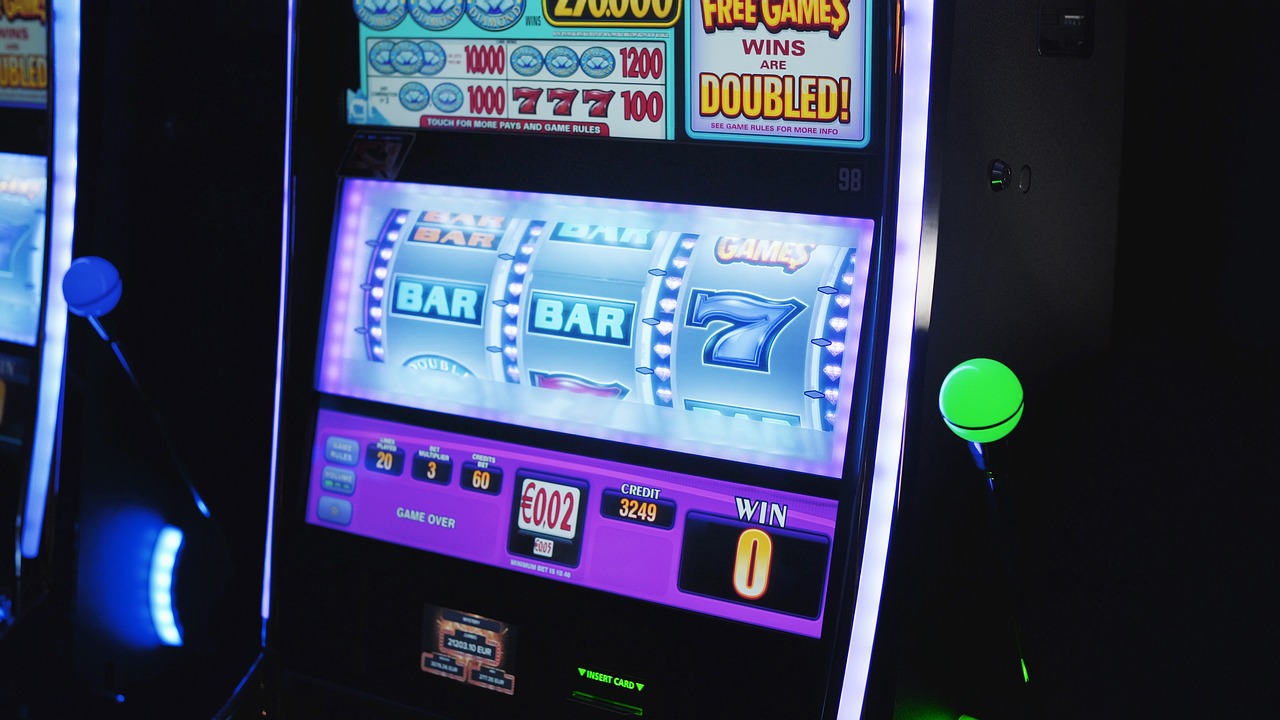
The brain’s reward system in plain English
Your brain releases dopamine not just when you win, but when you anticipate winning. Dopamine drives motivation and focus. It sharpens attention toward potential rewards. Predictable rewards—like a paycheck every two weeks—cause dopamine to level off. Your brain adapts. But unpredictable rewards keep dopamine firing intensely because your brain never fully adjusts. Each play carries possibility, and possibility keeps the neurological reward system activated.
Variable ratio reinforcement (without the jargon overload)
Psychologists have a term for this: variable ratio reinforcement. Rewards are delivered unpredictably after varying numbers of attempts. Slot machines and pokies use this schedule because it produces the most persistent behavior. You might win on your third spin, then not until your eighteenth, then twice within five spins. The irregularity prevents your brain from learning when rewards arrive, so it treats every attempt as potentially rewarding. This mechanism is more powerful than consistent rewards or even large infrequent ones.
“Just one more” thinking — how uncertainty locks attention
The phrase “just one more spin” reflects how uncertainty hijacks decisions. Because the next win can’t be predicted, stopping feels like quitting right before success. Your brain interprets the lack of pattern as reason to continue, not pause. This creates a trap: the very randomness that makes gambling unprofitable also makes it psychologically compelling.
How variable rewards show up in real play:
- Small wins interspersed with losses, preventing complete discouragement
- Bonus rounds or free spins triggered unpredictably, resetting attention
- Occasional medium wins that feel significant but don’t offset total losses
- “Win” messages even when you bet £5 and win back £3
Near-Misses, “Almost-Wins,” and the Illusion of Momentum

Why a near-miss feels like progress (even though it’s a loss)
A near-miss—when symbols land one position away from a winning combination—activates the same brain regions as an actual win. Studies using fMRI scans have shown that near-misses trigger reward-related neural activity, even though they’re functionally identical to any other loss. Your brain treats them as evidence you’re “getting warmer.” A false sense of momentum is built.
The emotional spike: frustration, hope, urgency
Near-misses create a distinctive emotional cocktail. There’s frustration because you were “so close.” Hope, because it suggests success is imminent. Urgency, because stopping now might mean missing the win that feels right around the corner. This combination motivates more than pure frustration (which might prompt quitting) or pure hope (which might feel too passive).
How games visually frame near-misses
Digital gambling games amplify near-misses through visual and audio design. Reels might slow dramatically before settling one symbol away from a jackpot. Sounds build anticipation before the outcome displays. The game might highlight what you “almost” won, making the miss more salient than a regular loss. These design choices ensure near-misses feel significant rather than routine.
| Trigger | What the Player Feels | What’s Happening Psychologically | Common Outcome |
|---|---|---|---|
| Near-miss | “I was so close; next time might be it” | Brain registers partial reward signal | Increased bet size or continued play |
| Unexpected win after losses | Relief, validation, excitement | Dopamine surge reinforces persistence | Pattern feels confirmed; play extends |
| Bonus round activation | Anticipation, focus, elevated mood | Attention narrows; time perception distorts | Session length increases significantly |
Cognitive Distortions That Quietly Push People Forward
Gambler’s fallacy (simple example)
The gambler’s fallacy is believing that past outcomes influence future independent events. After red comes up five times in a row on roulette, black feels “due”—even though each spin has identical odds. In slots, this appears as thinking “I’ve lost ten times in a row, so I must be close to winning.” The machine has no memory. It has no obligation to balance out your results.
Illusion of control (buttons, rituals, “strategies”)
People create rituals around gambling. Pressing the button at a certain rhythm. Wearing lucky clothing. Believing certain times of day are more favorable. Some digital games include interactive elements—like pressing “stop” on reels—that create a false sense of influence. These rituals feel meaningful but have zero impact on predetermined random outcomes. The illusion of control makes the experience feel less passive, more skillful. Engagement increases.
Selective memory (remembering wins, discounting losses)
Human memory naturally weights emotional highs more than mundane losses. You vividly remember the night you won £200. The dozens of £10-£20 loss sessions blur together. This selective recall distorts mental accounting, making gambling seem more profitable than it is. When people estimate overall results, wins are systematically overestimated and losses underestimated.
Sunk cost (“I’m already down, so I have to continue”)
The sunk cost fallacy drives people to continue because they’ve already invested time and money. “I’m already £150 down; I can’t stop now or it’s wasted” becomes the internal justification. Rationally, past losses don’t change future odds. Emotionally, stopping feels like admitting defeat. This distortion transforms gambling from entertainment into a mission to recover, which dramatically increases risk.
| Distortion | What It Sounds Like in the Mind | Reality Check Line |
|---|---|---|
| Gambler’s fallacy | “I’m due for a win after all these losses” | Each round is independent; past results don’t influence future odds |
| Illusion of control | “If I press stop at the right moment, I can improve my chances” | Outcomes are predetermined or random; timing changes nothing |
| Selective memory | “I usually come out ahead when I play” | Track actual results for a month; most players lose more than they realize |
| Sunk cost | “I have to keep going to win back what I’ve lost” | Past losses don’t make future wins more likely; stopping prevents deeper losses |
Chasing Losses — The Moment Gambling Stops Being “Entertainment”

Losses as a psychological irritant (the need to “fix” the story)
Humans are storytelling creatures. We want experiences to have satisfying arcs. A night that starts with optimism and ends with loss feels narratively incomplete. It demands resolution. Loss-chasing is the attempt to “fix” the story by turning a losing session into a winning one, or at least breaking even. This shift transforms gambling from leisure into psychological mission.
Tilt, urgency, and impaired decision-making
“Tilt” is a poker term for emotional decision-making after a frustrating loss. When chasing losses, players enter a state of heightened urgency and impaired judgment. Bet sizes increase irrationally. Play speeds up. Usual stopping rules are ignored. Stress hormones like cortisol flood the system, reducing activity in the prefrontal cortex—the part responsible for planning and impulse control. You’re literally less capable of making sound decisions while chasing.
Time distortion and narrowing focus
During intense gambling sessions, time is lost. What feels like twenty minutes might be two hours. Attention narrows onto the game, filtering out external cues like hunger, fatigue, or the clock. This tunnel vision is a protective mechanism during genuine emergencies but becomes dangerous in gambling contexts. It prevents the natural “check-in” moments that might prompt stopping.
Signs you’re slipping from play into chasing:
- You’ve exceeded your original time or money limit and adjusted it mid-session
- You’re playing faster or with larger bets than you planned
- You feel irritable or anxious when considering stopping
- You’re thinking more about recovering losses than enjoying the experience
- You’re borrowing money, using credit, or accessing funds meant for other purposes
- You’ve lied to someone or hidden your gambling activity
Emotional Triggers: Stress, Boredom, Loneliness, and the Need to Switch Off
Gambling as mood regulation (escape, relief, numbness)
Many people gamble primarily to regulate emotions, not to win money. Gambling provides escape from stress, relief from boredom, temporary numbness from painful feelings. The intense focus required pushes intrusive thoughts aside. The anticipation and variable rewards create emotional stimulation that counters flatness or emptiness. For some, gambling becomes a go-to emotional management tool, similar to how others might use alcohol or binge-watching.
Why certain moods make risk feel appealing
Stress increases risk tolerance because your brain is already in threat-response mode; additional risk feels less significant. Boredom makes risk attractive because it provides stimulation and novelty. Loneliness is particularly dangerous because gambling—especially online—can feel like connection or participation without requiring real social vulnerability. When you’re emotionally depleted, gambling can feel like one of the few activities that still generates feeling, even if that feeling is ultimately negative.
The comfort of rituals and routine
Beyond the outcomes, gambling develops comforting routines. Logging in after work. Following the same sequence of games. Even the muscle memory of clicking and spinning creates ritualistic comfort. For people lacking other reliable routines or sources of structure, gambling fills that gap. The ritual itself becomes emotionally regulating, separate from wins or losses.
James finishes a brutal workday filled with conflict and criticism. He feels wound up, can’t settle down. Opening the pokies net 114 login page, he starts playing not because he expects to win, but because the game demands just enough attention to quiet his racing thoughts without requiring real problem-solving. Thirty minutes in, he’s calmer—but also £60 down and entering a different kind of stress.
Rachel lives alone and works remotely. Most evenings feel identical and empty. She starts playing online slots around 9 PM not from stress, but from profound boredom and a low-grade loneliness she doesn’t quite acknowledge. The games make her feel like she’s doing something, like she’s participating in an activity that has stakes and outcomes. The losses barely register because the alternative—sitting with the emptiness—feels worse.
Digital Design Triggers in Online Gambling (Frictionless Loops)
Convenience, speed, and fewer “pause points”
Traditional gambling had natural interruption points. You had to travel to a venue, exchange cash for chips, wait for games or machines to be available. Online gambling eliminates these friction points. You can play instantly, anywhere, with no social observation or physical limits. Each eliminated pause point removes an opportunity to reconsider or disengage. The speed of digital games also means money can be lost far faster than in physical settings, accelerating the stakes before decision-making catches up.
Notifications, bonuses, and “limited-time” pressure
Online platforms use notifications to re-engage players. “Your bonus expires in 2 hours.” “Special weekend promotion just for you.” “You have free spins waiting.” These messages create artificial urgency and FOMO—fear of missing out. Bonuses often come with wagering requirements that extend play sessions far beyond what was initially intended. The framing makes declining feel like wasting something valuable, even though the “value” is illusory.
Social proof and normalization cues
Many platforms display other players’ wins, show live jackpot counters climbing, or include chat features with other gamblers. These social cues normalize continuous play and make wins feel more frequent than they are. You’re seeing highlights from thousands of users, not a representative sample. Seeing someone win £500 makes your own losses feel like temporary bad luck rather than statistical inevitability.
| Design Cue | What It Nudges | Safer Counter-Move |
|---|---|---|
| “Your bonus expires soon” | Urgency to play before losing perceived value | Recognize bonuses are marketing, not gifts; ignore expiration pressure |
| Instant deposit options | Removing barrier between impulse and action | Set up mandatory delays; use payment methods that take 24 hours to process |
| Removing clocks and external cues from interface | Time distortion; extending sessions | Set phone alarms outside the app; play only in rooms with visible clocks |
How to Break the Loop (Practical, Non-Preachy Tools)
Create “pause points” (time, money, and access friction)
Since frictionless design facilitates compulsive gambling, deliberately add friction back. Set deposit limits that require 24-hour cooling-off periods to increase. Use apps or browser extensions that block gambling sites during certain hours. Tell your bank to decline transactions from gambling operators. Schedule competing activities at times you typically gamble. The goal isn’t to make gambling impossible, but to insert decision-making gaps where impulse currently operates.
Replace the trigger, not just the behavior (simple substitutions)
If you gamble to manage stress, find other high-engagement, low-consequence activities that absorb attention: video games with no real-money stakes, intense exercise, complex puzzles, absorbing books. If you gamble for social connection, address loneliness directly through communities, hobbies, or even online forums unrelated to gambling. Stopping gambling leaves a gap. Fill it deliberately rather than hoping willpower alone will suffice.
When it’s time to seek help
If gambling causes financial harm, relationship damage, or persistent distress, professional support dramatically improves outcomes. This isn’t a character flaw requiring more willpower—it’s a behavioral pattern requiring specific interventions. Cognitive behavioral therapy is particularly effective for gambling issues. Support groups like Gamblers Anonymous provide community and accountability. National resources like the National Council on Problem Gambling offer confidential helplines and treatment referrals.
Low-friction steps you can try this week:
- Install gambling-blocking software on all devices (Gamban, BetBlocker, or browser extensions)
- Self-exclude from online gambling sites through their account settings
- Hand financial control to a trusted person temporarily
- Replace one gambling session with a specific alternative activity
- Write down honest totals: deposits, withdrawals, and net results over the past three months
- Call a support line even if you’re “not sure it’s that bad yet” (GamCare: 0808 8020 133)
A Quick Reality Check: Gambling Is Built to Feel Personal (Even When It Isn’t)
Everything described above—the variable rewards, the near-misses, the emotional hooks—exists by design, not accident. Gambling products are extensively tested and refined to maximize engagement. When you feel like a game “knows” you, or you develop superstitions around outcomes, you’re experiencing the intended effect of sophisticated behavioral design. The platform doesn’t need to cheat. The mathematical edge and psychological architecture are enough.
This doesn’t make you gullible. It makes you human. Our brains evolved to detect patterns, chase rewards, and regulate emotions through engagement—traits that served survival but create vulnerability in artificially constructed reward environments. Recognizing these mechanisms doesn’t eliminate their power immediately, but it does create the distance needed to interrupt automatic patterns.
Conclusion
The psychology of gambling operates through stacked triggers: unpredictable rewards that keep dopamine flowing, near-misses that mimic progress, cognitive distortions that warp perception of probability and control, loss-chasing that transforms entertainment into desperate recovery missions, emotional vulnerabilities that make risk appealing, and frictionless digital design that removes every natural stopping point. None of this requires ill intent from individual players. These are features of how human minds interact with carefully constructed behavioral systems.
If you recognize these patterns in yourself, the first step isn’t shame—it’s acknowledgment. The same mechanisms that create problem gambling also provide the roadmap for interruption: add friction, address underlying emotional needs directly, track reality against perception, and seek support when patterns persist despite your best efforts. The most powerful move isn’t quitting cold through willpower alone; it’s building a life where gambling becomes genuinely less appealing than available alternatives. That shift takes intention, often support, and the willingness to treat this as a solvable behavioral challenge rather than a moral failing.