


Affordable Smart Gadgets That Improve Everyday Life: Practical Tech Worth Buying

The right affordable smart gadgets that improve everyday life can save time, boost convenience, strengthen home security, and keep your routines organized without a big budget. Useful technology no longer demands expensive equipment or complicated installations. Many devices now plug in, pair with a phone in minutes, and cost less than a restaurant dinner.
This guide covers four practical categories: smart home devices, personal gadgets, productivity tools, and security accessories. It also explains how to choose devices that deliver real value. For a broader look at how connected devices work together, the Matter smart home standard from the Connectivity Standards Alliance is a good starting point.
Smart Home Gadgets That Make Daily Routines Easier
Affordable smart home devices automate repetitive tasks, improve comfort, and reduce wasted energy. You don’t need a full smart home renovation. Even two or three inexpensive devices, such as a plug, a bulb, and a speaker, can noticeably change your daily routine. Most are beginner-friendly: you screw in a bulb, plug in an adapter, scan a QR code in an app, and you’re done.
Smart Plugs, Smart Bulbs, and Voice-Controlled Assistants
Smart plugs turn ordinary appliances into connected ones. Plug in a lamp, fan, coffee maker, or space heater, then switch it on remotely, set a schedule, or trigger it by voice. They’re ideal for renters because nothing is permanently installed.
Smart LED bulbs add adjustable brightness, color temperature, and scheduling. Warm light in the evening and cool, energizing light in the morning can improve comfort, and LEDs use far less electricity than traditional bulbs.
Budget smart speakers provide hands-free control, timers, reminders, weather updates, and music playback. They also act as the command center for the other devices.
| Gadget Type | Everyday Function | Main Benefits | Approximate Price Range |
|---|---|---|---|
| Smart plug | Remote and scheduled control of appliances | Automation, easy setup, no wiring | 20 |
| Smart LED bulb | Adjustable lighting and scenes | Energy savings, mood lighting | 25 |
| Smart speaker | Voice control, timers, music | Hands-free convenience, hub for other devices | 60 |
Smart Sensors and Affordable Home Security Devices
Inexpensive motion sensors, door and window sensors, indoor cameras, and video doorbells deliver real-time notifications and remote monitoring. You get basic home security without paying for a professional system.
Before buying, check these features:
- Night vision for clear footage in low light
- Motion detection with adjustable sensitivity and zones
- Two-way audio for talking to visitors or pets
- Local storage (microSD) as an alternative to cloud plans
- Subscription requirements, since some cameras lock key features behind monthly fees
Useful security gadgets for different living situations:
- Apartments: door and window contact sensors, a compact indoor camera, a peephole-style video doorbell
- Houses: a wired or battery video doorbell, outdoor-rated cameras, motion-activated lights
- Rentals: adhesive-mounted sensors, battery-powered cameras, and devices that leave no damage when removed
Smart Thermometers, Air Quality Monitors, and Energy-Saving Devices
Smart temperature and humidity sensors help you monitor indoor conditions and spot changes that affect comfort, such as a stuffy bedroom or a damp basement. Air quality monitors track particulates, CO₂, and sometimes volatile organic compounds, so you know when to ventilate. Energy-monitoring plugs show how much electricity each appliance consumes.
Practical applications include:
- Receiving temperature alerts when a nursery, wine cellar, or pet area gets too hot or cold
- Tracking humidity to prevent mold
- Identifying standby power drains from old appliances
- Deciding when to run high-consumption devices
Together, these tools support more comfortable, energy-conscious homes by turning guesswork into data.
Affordable Personal Gadgets That Save Time and Improve Productivity
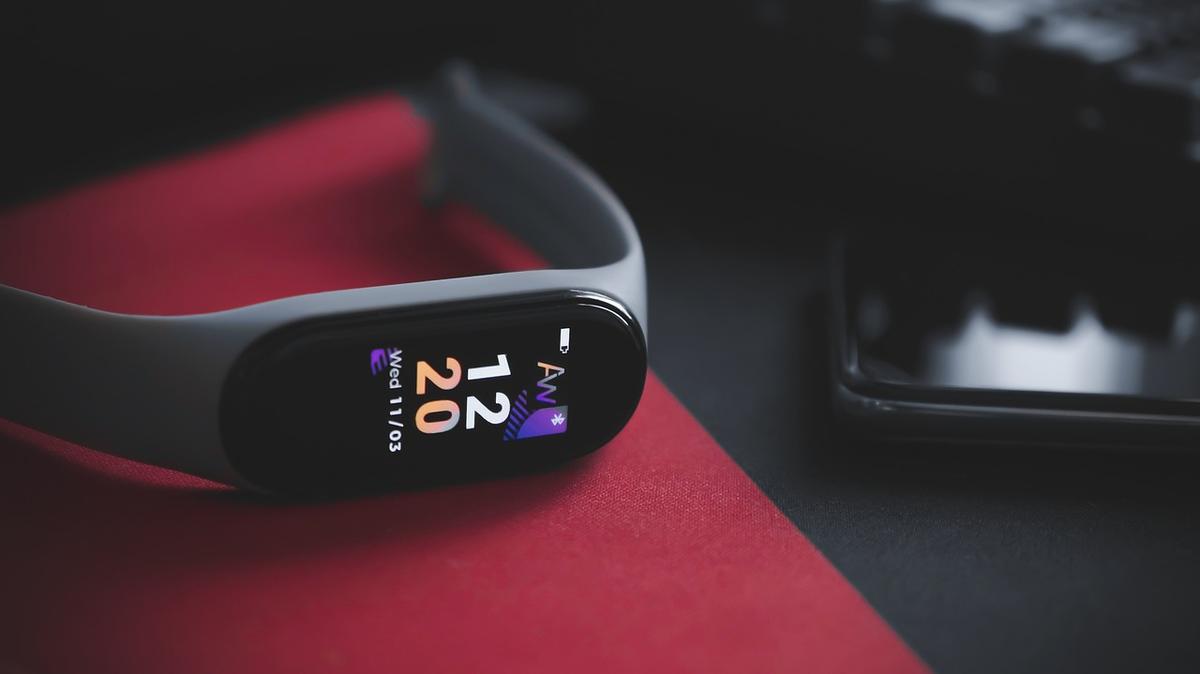
Not every useful gadget lives in your home. Compact personal devices simplify daily activities by helping you find belongings, stay connected, keep devices charged, and organize your routines. The best ones emphasize portability, ease of use, and practical value over flashy technical features.
Bluetooth Trackers and Smart Personal Accessories
Bluetooth trackers help you locate keys, wallets, backpacks, and luggage. Attach one, and your phone can ring it or show its last known location. Important features include smartphone integration, the size of the location network, battery type (replaceable or rechargeable), and tracking range.
| Device Type | Compatibility | Typical Applications | Key Features |
|---|---|---|---|
| Apple AirTag-compatible trackers | iPhone (Find My network) | Keys, bags, luggage | Large crowdsourced network, replaceable battery |
| Android-compatible trackers | Android phones | Wallets, backpacks, pets | Ring-from-phone, location history, some rechargeable |
| Card-style trackers | iOS or Android (varies) | Wallets, passports | Slim profile, often rechargeable |
Wireless Chargers, Power Banks, and Multi-Port Charging Stations
Affordable wireless charging pads, compact USB-C chargers, power banks, and multi-device charging stations cut cable clutter and keep phones, earbuds, and tablets powered all day. A single multi-port station can replace a drawer of adapters.
Features to prioritize when choosing budget charging accessories:
- Charging speed (watts) matched to your device
- Battery capacity (mAh) for power banks, ideally 10,000 mAh or more for multi-day use
- USB-C Power Delivery for fast, universal charging
- Portability and weight for travel
- Device compatibility, including Qi support for wireless pads
- Safety certifications and overcharge protection
Smartwatches, Fitness Bands, and Wireless Audio Gadgets
Entry-level smartwatches and fitness bands track steps, workouts, sleep, and heart rate while delivering phone notifications to your wrist. Affordable wireless earbuds and Bluetooth speakers suit commuting, exercising, remote work, and entertainment.
Focus on essentials such as battery life, comfort, and accurate basic tracking. Premium extras like ECG, LTE connectivity, or advanced spatial audio rarely justify a higher price for casual users.
| Gadget Type | Primary Function | Useful Features | Ideal User |
|---|---|---|---|
| Fitness band | Activity and sleep tracking | Week-long battery, water resistance | Beginners, budget-minded users |
| Entry-level smartwatch | Notifications and workouts | GPS, heart rate, message previews | Busy professionals, runners |
| Wireless earbuds | Calls, music, podcasts | Noise reduction, multipoint pairing | Commuters, gym-goers |
| Bluetooth speaker | Portable audio | Waterproofing, 10+ hours of battery | Outdoor use, small gatherings |
How to Choose Affordable Smart Gadgets That Offer Real Value

Smart buying means evaluating usefulness, reliability, compatibility, and long-term ownership costs. Avoid impulse purchases by choosing devices that solve recurring everyday problems rather than ones that merely look impressive. Before you buy, consider ecosystem compatibility, connectivity, privacy, warranties, and maintenance.
Identify Your Everyday Needs Before Buying
Start by naming the friction in your day. Misplaced keys call for a Bluetooth tracker. A dark hallway needs a smart bulb or motion light. A phone that dies by afternoon needs a power bank. Repeating chores like switching off appliances suggest a smart plug.
Follow these steps:
- Identify a recurring inconvenience.
- Look for a device that addresses that specific problem.
- Compare essential features and compatibility.
- Check independent reviews and reliability.
- Evaluate the total ownership cost.
Check Compatibility, Connectivity, and Hidden Costs
Confirm that a gadget works with your phone (Android or iOS) and your ecosystem: Alexa, Google Home, or Apple Home. Understanding connectivity helps too:
- Wi-Fi: easy setup and direct internet access, but can crowd your router
- Bluetooth: short-range, low-power, great for personal accessories
- Zigbee and Thread: low-power mesh networks that make sensor networks more responsive and reliable
- Matter: a unifying standard that lets devices from different brands work together
Watch for hidden costs such as subscriptions, hubs, replacement batteries, accessories, and cloud storage. Ask yourself before purchasing:
- Does it work with my phone and voice assistant?
- Is a hub or subscription required?
- What type of batteries does it use, and how often will I replace them?
- Can footage or data be stored locally?
- Will it keep working if the manufacturer’s cloud service shuts down?
Balance Price, Quality, Privacy, and Long-Term Value
The cheapest device isn’t always the most economical. Poor reliability, weak software support, and flimsy construction can mean replacing it within a year. Prioritize devices with encryption, secure account options like two-factor authentication, and regular firmware updates. Read what personal information the device collects and how it’s used. The Federal Trade Commission offers helpful advice on securing your connected devices.
Also check warranty coverage, return policies, customer feedback, and manufacturer support. Warning signs to watch for:
- No named manufacturer or support contact
- No firmware updates or a vague privacy policy
- Required default passwords that can’t be changed
- Suspiciously perfect reviews or extreme price cuts
- Apps demanding unnecessary permissions
Conclusion
Affordable smart gadgets can make homes more convenient, personal routines more efficient, and daily activities easier to manage. The best purchases are practical devices that solve real problems, not gadgets with impressive features you’ll rarely use.
Start with one or two useful upgrades, such as a smart plug or a Bluetooth tracker, and expand your collection as your needs evolve. Thoughtful technology choices can deliver meaningful everyday benefits without a large investment.