

The Psychology Behind Viral Social Media Posts: Why People Click and Share

Every day, millions of posts flood social media, yet only a tiny fraction reach viral status. The Psychology Behind Viral Social Media Posts: Why People Click and Share isn’t a mystery of luck — it’s a predictable interaction between human emotion and algorithmic design. People don’t share content randomly; they share what makes them feel something, what reflects their identity, and what connects them to others. At the same time, platforms like TikTok, Instagram, and X amplify whatever already captures attention. Understanding both sides — the psychological triggers and the technical amplification — is the real key to creating content that spreads.
The Psychology and Social Triggers Behind Viral Content
Viral posts succeed because they tap into deep-seated human behaviors, not because of clever timing alone. People share content that makes them look interesting, validates their beliefs, or strengthens their social bonds. Three forces consistently drive this: emotion, identity, and connection.
Emotional Triggers That Encourage People to Share
Emotion is the single strongest predictor of shareability. According to research published by the Harvard Business Review, content that triggers high-arousal emotions — whether positive or negative — spreads far more than emotionally neutral content.
The emotions that generate the highest engagement include:
- Joy – uplifting or feel-good content people want to pass along
- Surprise – unexpected twists that disrupt expectations
- Inspiration – stories of triumph or resilience
- Humor – relatable jokes or memes that lighten the mood
- Outrage – controversial topics that spark heated reactions
- Awe – breathtaking visuals or extraordinary achievements
Curiosity, FOMO, and the Need for Social Validation
Curiosity gaps — when a headline reveals just enough to create tension — push users to click before scrolling away. Similarly, FOMO (fear of missing out) drives engagement because no one wants to be the last to know about a trend.
Common psychological triggers used in viral content include:
- Curiosity gaps – withholding key information until the click
- Fear of missing out – urgency tied to trending topics
- Identity signaling – sharing content that reflects values or personality
- In-group belonging – content that strengthens community identity
- Reciprocity – tagging friends or starting conversations
Storytelling, Relatability, and Authenticity

Humans are wired to remember stories far better than facts or statistics. Posts that feel personal, raw, or “real” outperform polished corporate messaging because audiences crave authenticity.
Storytelling elements found in highly shared posts include:
- A relatable struggle or conflict
- A clear emotional arc (setup, tension, resolution)
- Specific, vivid details rather than vague statements
- An authentic, unscripted tone
- A satisfying or surprising ending
Social Proof and Trend Participation
People assume that if something is popular, it must be worth their attention — a principle known as social proof. Influencers and early adopters often kickstart this cycle, and once a critical mass engages, the snowball effect takes over.
| Engagement Signal | Psychological Effect | Impact on Virality |
|---|---|---|
| Likes | Validates popularity | Moderate |
| Comments | Signals active discussion | High |
| Shares | Extends reach to new networks | Very High |
| Views/Watch Time | Confirms relevance to algorithm | High |
How Algorithms Amplify Human Behavior and What Creators Can Learn
While psychology sparks the initial interest, algorithms decide how far content travels. Social platforms are designed to detect early engagement signals and push high-performing posts to larger audiences. Creators who understand this feedback loop can intentionally design content that satisfies both human psychology and platform mechanics.
Why Early Engagement and Watch Time Matter
The first 30–60 minutes after posting are often the most critical. Platforms test content with a small audience first, then scale distribution based on performance.
Engagement signals favored by platforms include:
- Watch time and completion rate
- Comments and replies
- Saves and bookmarks
- Shares to other users or platforms
- Rewatches within the first few hours
Content Formats That Spread Faster on Social Media
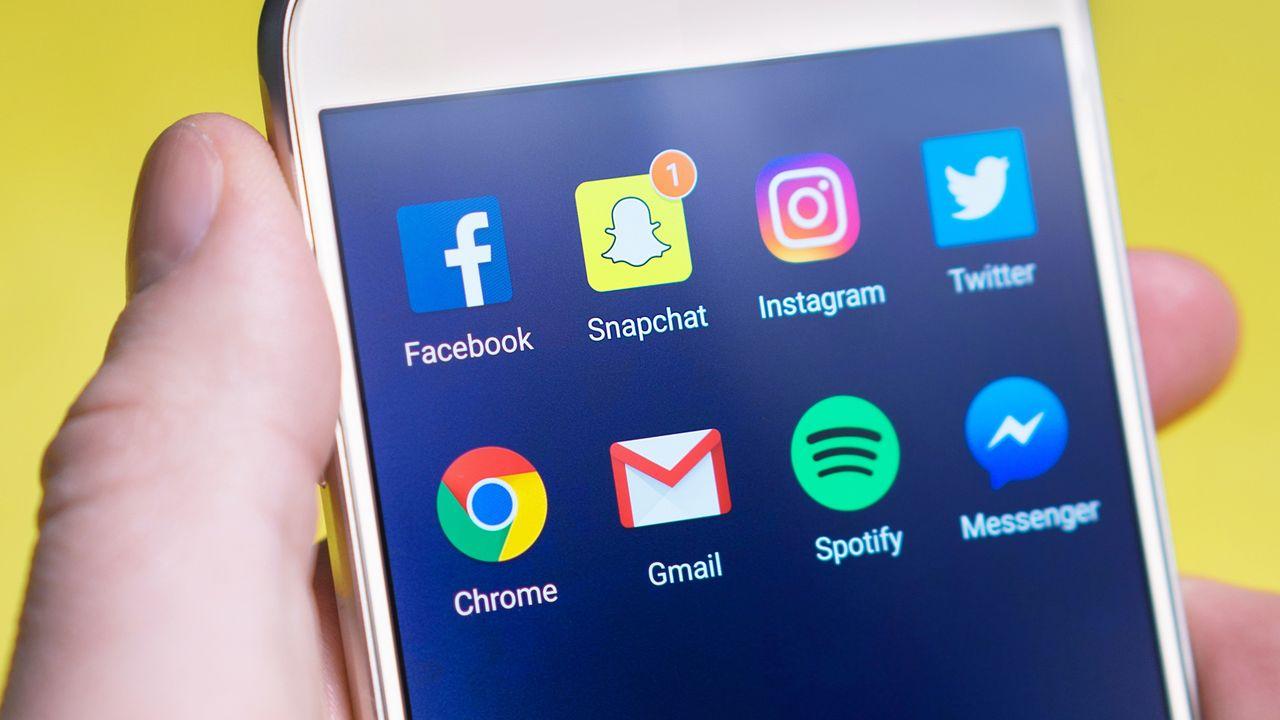
Not all formats perform equally. According to insights from Pew Research Center, short-form video consumption continues to dominate user attention across age groups.
| Format | Strength | Best Use Case |
|---|---|---|
| Short-form video | High retention, algorithm-favored | Trends, tutorials, storytelling |
| Memes | Instant relatability, low effort to share | Humor, commentary |
| Carousels | Encourages swiping, longer dwell time | Educational, list-based content |
| Static images | Quick consumption | Quotes, announcements |
Common Reasons Social Media Posts Fail to Go Viral
Many well-made posts fail simply because they overlook psychological or structural basics.
| Mistake | Practical Solution |
|---|---|
| Weak or slow hook | Capture attention in the first 3 seconds |
| No emotional appeal | Add a relatable angle or twist |
| Poor timing | Post when target audience is most active |
| Irrelevant topic | Align with current trends or audience interests |
| Overly promotional tone | Prioritize value or entertainment first |
A Checklist for Creating More Shareable Content
Use this checklist before publishing any post:
| Element | Question to Ask |
|---|---|
| Hook | Does it grab attention instantly? |
| Emotion | Does it spark joy, surprise, or curiosity? |
| Visuals | Is it scroll-stopping and clear? |
| Storytelling | Does it feel authentic and relatable? |
| Call-to-Action | Does it invite comments, shares, or saves? |
Conclusion
Going viral isn’t accidental — it’s the result of psychological triggers working in tandem with algorithmic amplification. People click and share content that moves them emotionally, reflects their identity, or strengthens their social connections, while platforms simply accelerate what already resonates. Creators who focus on emotion, authenticity, and clear storytelling — rather than chasing algorithm hacks alone — consistently produce content that performs better and lasts longer. The real takeaway: understand your audience’s psychology first, and the algorithm will follow.